The Best Business Phone Solutions for UK Businesses Last Updated by PurpleBox | November 30, 2025 | Category: Digital Read Time: 4 minutes Running a small business? You already wear a dozen hats. But here’s one you shouldn’t have to stress about: your phone system. Choosing the best business phone solutions for UK businesses isn’t just about making calls anymore—it’s about saving money, staying connected, and making a killer first impression. Let’s break down the best options and help you find the perfect fit for your business in the UK. Why Business Phone Solutions Matter for Small Businesses? If you’re still relying on a traditional landline or juggling multiple mobile numbers—it’s time for an upgrade. Modern business phone solutions aren’t just about clearer calls—they’re about smarter business. We’ve worked with loads of small to medium sized UK businesses, from Manchester-based cafés to e-commerce start-ups in Bristol. And the biggest win they’ve seen? Cost savings. Switching to VoIP (Voice over Internet Protocol) services can cut your phone bill in half—yes, really. But it’s not just about the budget. Flexibility is the magic word here. Whether you’re running a team remotely, taking client calls on the go, or working from a buzzing co-working space—today’s phone systems are built to go wherever you do. And let’s not forget scalability. Starting small? No worries. VoIP lets you scale up as your team grows—without changing your number or signing long-term contracts. Check out our VoIP guide to understand the basics of switching from landlines to VoIP. Key benefits: Lower monthly costs Work-from-anywhere flexibility Easy setup and expansion Top Features to Look for in Business Phone Solutions Not all phone systems are created equal—and honestly, that’s a good thing. Your business has specific needs, so your phone solution should match. Here are the features we’ve seen small UK businesses rave about: 1. Call Routing & Auto-Attendant This gives your business a professional vibe—even if it’s just you behind the scenes. Callers can press 1 for sales, 2 for support, etc., and it routes them to the right place (or person). 2. Voicemail to Email Missed a call while out with a client? No problem. Get the voicemail delivered straight to your inbox as an audio file or even a transcript. 3. CRM Integration Businesses that sync their phone system with tools like HubSpot or Salesforce can track customer conversations effortlessly. One click to call, automatic logging—time saved, stress avoided. 4. Mobile App Access Take your business line wherever you go. Answer calls from your mobile, check voicemails on your tablet—it’s total freedom. 5. Analytics & Call Reporting Want to know your peak call times? Or how quickly your team is answering? Analytics give insight so you can improve service and workflow. Bonus features to consider: – On-hold music (yes, it matters!) – Call recording – Team messaging & video conferencing All of these features (and more) are included as standard with all of our plans – contact us to get a bespoke plan created for you and your needs. Types of Business Phone Systems Explained With so many systems floating around, it’s easy to feel overwhelmed. So let’s keep it simple. Here’s a quick rundown of the most common types of business phone solutions you’ll come across: 1. VoIP (Voice over Internet Protocol) Hands-down the most popular for small businesses today. VoIP works over the internet, not phone lines. It’s affordable, flexible, and packed with modern features. Best for: Remote teams, freelancers, growing SMEs 2. Cloud-Based Phone Systems Technically still VoIP, but entirely hosted off-site (i.e., “in the cloud”). No physical server needed in your office. Best for: Startups with limited IT support 3. PBX (Private Branch Exchange) A more traditional system, usually with onsite hardware. Some modern PBX systems are now hosted in the cloud (hosted PBX), blending the best of both worlds. Best for: Companies with dedicated IT teams or security concerns 4. Mobile-Based Systems These use your mobile data or existing phone plan to route business calls via an app. Best for: Solo operators or field-based workers Want to see compatible hardware? Reach out to get our full catalogue of VoIP phones. How to Choose the Right Phone System for Your Business? Okay, now that you’ve seen what’s out there… how do you decide? Ask yourself: Do I need to take calls from anywhere? Will I need to scale up soon? Do I need call routing or voicemail transcriptions? Do I use any CRMs or software I want to integrate with? Tips by industry: Consultants/Services: A mobile-based system with call scheduling and CRM integration Remote Teams: Cloud-based VoIP with team messaging and video calls Retail Shops: Look for simple VoIP with auto-attendant and voicemail to email Compare like a pro: Pricing: Clear monthly fees, no hidden costs Features: Must-haves: call routing, voicemail, reporting Support: UK-based, easy to reach Setup Time: Ideally under 24 hours Still stuck? Reach out to us! Our team can help match you with the right setup based on your goals and growth plans.

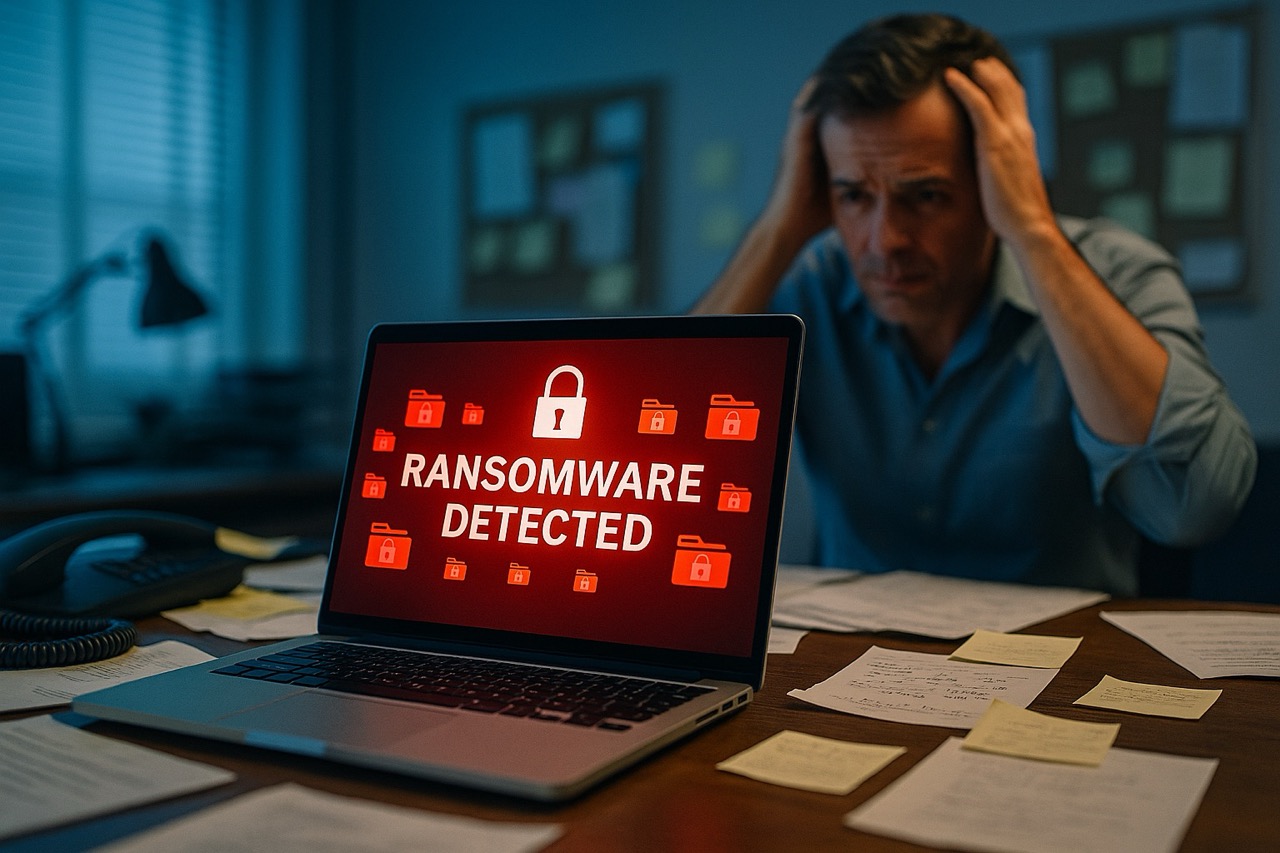
Hit by Ransomware: The Action Plan Every Business Needs Last Updated by PurpleBox | November 24, 2025 | Category: Digital Read Time: 6 minutes When you’re hit by ransomware, it feels like everything stops at once. Screens freeze, files vanish, panic rises. But you’re not alone — we’ve helped plenty of businesses through the chaos. With the right steps, clear thinking, and practical planning, you can recover faster than you think and come back stronger. Key Takeaways: If you’re hit by ransomware, isolate fast. Disconnect infected devices, stop lateral movement, and avoid paying the ransom unless law enforcement or legal teams advise otherwise. Recovery depends on preparation. Strong backups, segmentation, MFA, patching, and zero-trust principles dramatically reduce downtime and data loss. Real-world impacts go beyond money. Ransomware causes operational shutdowns, regulatory exposure, employee churn, legal complications, and long-term reputational damage. A response plan is non-negotiable. Having incident response playbooks, tabletop exercises, and trusted forensic partners in place makes the difference between rapid recovery and catastrophic failure. What is ransomware and why is it a growing threat? Ransomware is malicious software that locks or encrypts your data until you pay. It started as clumsy digital blackmail but has matured into a global, well-organised criminal industry targeting every sector. How it evolved Early attacks were basic scareware Modern ransomware uses strong encryption and stealth Criminal groups run like companies — even offering “payment support” Attack frequency keeps rising. We’ve spoken to teams who watched systems shut down within minutes because attackers moved faster than their IT staff could respond. Why ransomware is thriving Ransomware-as-a-Service: Anyone can launch attacks Cryptocurrency: Anonymous payments hide criminals Remote work: Weak passwords and exposed devices widen the attack surface Attackers now use double and triple extortion, threatening data leaks and fines along with encryption. These threats push organisations toward stronger digital foundations like segmentation, backups, and secure infrastructure such as modern IT and digital services: IT and digital services for secure operations How do ransomware attacks happen? Ransomware usually slips into a system quietly. Most victims don’t realise anything is wrong until files start locking, screens freeze, or strange extensions appear everywhere. We’ve seen businesses lose access to entire networks before they even spotted the first warning sign. Common infection methods Attackers typically get in through: Phishing emails: Fake invoices, HR messages, parcel notices RDP attacks: Exposed remote desktops with weak passwords Software flaws: Unpatched systems or outdated apps Malicious downloads: Compromised installers or fake updates Once attackers find a gap, they move quickly. Step-by-step breakdown of an attack Infiltration: They enter through phishing or a vulnerable system. Lateral movement: They map the network and hunt for admin rights. Payload deployment: Ransomware spreads silently across devices. Encryption: Files, servers, and backups are locked. Ransom demand: A note appears demanding cryptocurrency payment. We’ve spoken to teams who saw file names change in real time as encryption spread — a truly horrible sight. Ransomware groups adapt constantly, using business-like strategies and even “customer service” portals. This is why organisations move toward secure, modern communication systems, including reliable phone solutions for UK businesses, to reduce exposure across networks. What are the real-world impacts on organisations? When you’re hit by ransomware, things can fall apart fast. We’ve seen organisations freeze mid-day, losing access to files, emails, phones, and the simple tools they rely on to stay sane. Financial impact Ransomware drains money quickly — emergency recovery, downtime, lost revenue, legal support, and rebuilding systems from scratch. Some businesses said one attack felt like “watching money leak through the ceiling.” Operational impact Attacks can shut down phones, booking tools, file servers, and internal systems. One clinic had to scribble notes on paper for days. Reputational impact Customers lose patience fast when services go dark. Trust takes months to rebuild. Extra consequences Employee burnout Regulatory headaches Devices seized for forensics Insurance arguments Relatable tip: If your “backup strategy” is hoping nothing goes wrong… that is the thing going wrong. Why some victims still pay? This insurance company article explains it clearly: Case study: A building management company hit by ransomware When a building management company was hit by ransomware, they were referred to us by another Purplebox client. Their files locked instantly, systems froze, and the panic set in. Classic chaos. They had no backups and no recovery plan, so the first thing we did was recover whatever data we could from the fragments that still existed. (We’ll keep it vague, but let’s just say we got creative.) Because they were a small operation with limited IT structure, we planned the entire resolution from scratch. Our goal: make sure this never happened again. What we recommended A new laptop to separate work and personal life RMM (Remote Monitoring & Management) for 24/7 oversight Antivirus with EDR for real-time detection A scheduled backup system with BMR capability DR vs BMR Full Disaster Recovery is brilliant — one click restores everything, even after total loss. But at £70/month, it wasn’t in his budget. BMR delivered the same result, just more manual and slower, but far more affordable. Lesson learned Data is sacred. Ransomware, theft, hardware failures, or accidents can take everything. Cloud storage alone isn’t enough — you need recoverable backups that get you running fast. If you want help building a recovery plan that actually works, talk to us — we’re here to help. How should you respond to a ransomware attack? When you’re hit by ransomware, speed and calm thinking matter more than anything. We’ve seen organisations panic-click their way into even bigger disasters, so following a simple plan is essential. Immediate steps Isolate devices immediately — unplug, disable Wi-Fi, stop the spread. Don’t reboot unless a specialist tells you to. Don’t pay the ransom. It rarely works and often makes things worse. Victims who paid often told us, “We got nothing back.” Investigate the breach